
In Brief:
SHL recognizes that while diversity, equity, and inclusion are core humanist values, the group currently skews older and whiter, which can discourage new participants from returning.
A proposed strategy is to create affinity groups (e.g., young professionals, parents, BIPOC, LGBTQIA+, veterans) that offer identity-based connection as an on-ramp into the broader SHL community.
Success requires founder populations—members from underrepresented demographics willing to lead—and intentional recruitment supported by partnerships with national secular organizations.
SHL can provide logistical support, funding, and infrastructure to help affinity groups thrive while remaining integrated with the larger community.
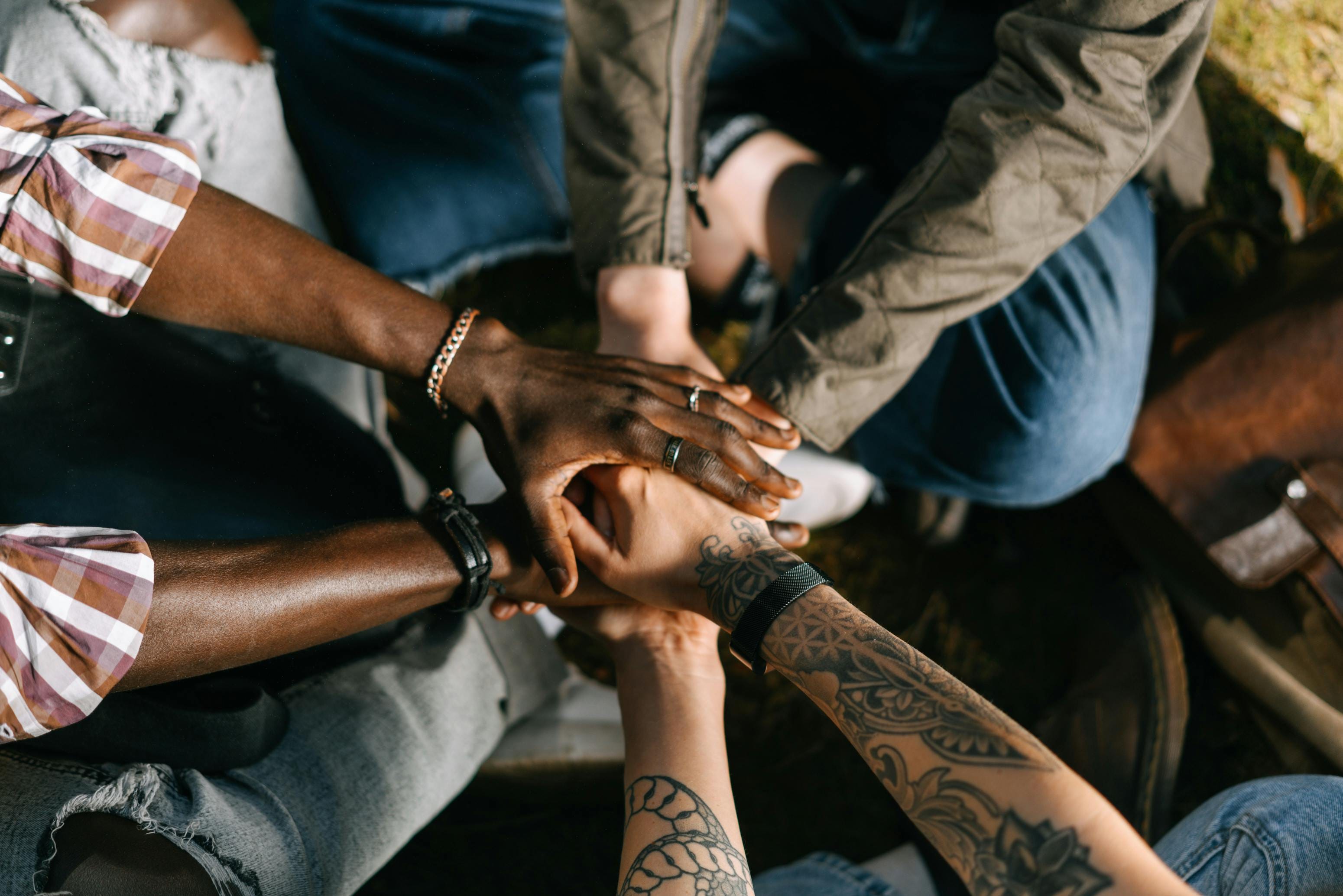
While the current regime is waging a war against any and every effort to improve the diversity, equity and inclusion of our society, those are fundamental humanist values to which we aspire. Secular humanism calls us to uphold the dignity and worth of every person, and to build communities that reflect and celebrate our shared humanity. For the Secular Humanists of the Lowcountry (SHL), that mission must include taking a clear-eyed look at who we are—and who we are not yet reaching. While our community does include individuals from a range of backgrounds, demographically, SHL skews older and whiter.
The lack of diversity has been a topic of conversation amongst SHL leadership for a long time, but we have not yet been successful at improving our organizational diversity. If we are truly committed to building community for all secular humanists in the Lowcountry, we must be intentional about expanding who feels welcome, represented, and supported in our organization.
But that is easier said than done. Even when we warmly welcome new attendees, if a younger person or a person of color arrives at one of our events and sees almost no one like them, it can feel isolating. Being the odd-person-out can be difficult, and too often, that first visit becomes the last. This cycle perpetuates itself, leaving our community less diverse than it could and should be.
A recent example comes to mind. A few months ago we had a new person come to Movie Club, and he joined us for a meal afterwards. He was on the younger side, probably in his mid-to-late twenties. After the event I messaged him to thank him for joining us, and to invite him to come to other SHL events. In his reply, he asked, “Do younger people show up to events?” Fortunately we had just had a trivia night in which about half the attendees were on the younger side that I could point to, but I was honest about our demographic challenges. He replied, “I greatly appreciate your honesty! I feel many meetup groups have this issue too. I did have fun and it was very interesting listening to the stories and history of the group. I'll come out again sometime!” He has not yet been back. I can’t blame him. I was never very excited to hang out with my parents’ friends.
Affinity Groups Strategy
One strategy to break this cycle is to create affinity groups—sub-communities within SHL designed for people who share a demographic identity or life stage. We already have successful examples of interest-based affinity groups: our book club and movie club provide meaningful spaces for members with common passions to connect. Why not extend this model to identity-based groups that could offer belonging and support?
This idea is not without precedent.. Former SHL President Carrie Henson made efforts to re-launch a secular parents group, reviving programming SHL once offered. SHL also used to host “ladies’ nights out,” providing a supportive space for women in our community. Beyond SHL, organizations like the Secular Student Alliance at the College of Charleston once served younger humanists, though it is no longer active. These past efforts demonstrate both the interest and the potential impact of targeted groups.
Here are a few possibilities for demographically targeted affinity groups we might cultivate:
Students
Young professionals
Parents with minor children
Black, Indigenous, and People of Color (BIPOC)
Veterans, Reservists and Active Duty Military
LGBTQIA+ members
Women
Retirees
Inclusion Is Not Division
Some may worry that identity-based organizing will create divisions in our community. On the contrary, the underrepresentation of young people and people of color in our community demonstrates that division is our present reality. I believe that making space for people who are different does not create division, but does the opposite: it creates more opportunities for inclusion. People naturally seek out peers and shared experiences. Young people, for instance, often prefer to connect first with other young people. Parents of school-aged children often seek other parents who have the same daily challenges, and whose social needs are aligned. By facilitating these connections, SHL could create on-ramps into our larger community, not barriers.
Affinity groups are not meant to stand apart. They will have their own social spaces, yes, but the vision is that these affinity groups will come together with the broader SHL community at large events, volunteer opportunities, and advocacy efforts. The affinity groups would give people a place to start; the larger SHL community then becomes the space where those diverse groups intersect, enriching all of us.
Founder Populations
Affinity groups cannot exist without leadership. In order to get the groups off the ground, we need members of those demographics who are willing to step forward, host events, and take on a leadership role. This is one of the hardest parts of the work. A group of young professionals or BIPOC humanists will not spring up simply because we want to improve our diversity; it requires a “founder population” willing to take the first steps.
Part of our diversity plan, then, must include intentional recruitment. We need to identify, invite, and support individuals from targeted demographics who might be interested and willing to build community with their peers. And we must be ready to empower them with the resources and encouragement to lead. Without founders, these affinity groups will remain good ideas rather than living realities.
At present, our broader community includes more than 550 subscribers to our email mailing list, more than 1,800 members of our Meetup group, nearly 900 members of our Facebook group, plus followers and subscribers across several other platforms. It is reasonable to assume that our full community is more diverse than the subset of people that regularly show up to our events. That presents an opportunity to reach out to all those people who have expressed interest in being part of our community and try to activate and engage them.
We don’t have to do this alone. SHL can partner with national organizations that already have a track record of supporting diverse communities within the secular movement. Groups like the Secular Student Alliance, Black Non-Believers, Hispanic American Freethinkers, or the Military Association of Atheists and Freethinkers have the experience, resources, and networks to help local chapters get off the ground. By partnering with them, SHL can amplify its reach and provide new affinity groups with the credibility and structure they need to grow.
What SHL Can Offer
The question then becomes: what can SHL provide to make these groups possible? The answer is: support and resources.
Running groups takes time, energy, and money. Meetup alone costs $360 per year. Maintaining websites, email lists, and communication platforms takes infrastructure. Renting meeting spaces requires funding. Luckily, SHL has the advantage of being a well-established organization with more than 30 years of history. We have resources and stability that we can use to do some of the heavy lifting for would-be leaders of our affinity groups.
By offering logistical support, financial assistance, and visibility through our existing platforms, SHL can help launch and sustain the affinity groups. We can provide many of the tools they will need to build community on their own terms—while still remaining part of the broader SHL family.
Call to Action
Improving our diversity is not just about numbers; it is about living our humanist values. If we want SHL to thrive for the next generation, we must create spaces where younger people, people of color, LGBTQIA+ members, and others feel at home. We must move beyond talk and into action, offering support and resources to those willing to lead new affinity groups, and embracing the growth that will come with them. The expected reward would be a stronger, more vibrant SHL that reflects the full diversity of the Lowcountry and the humanist ideals we hold dear.
Together, we can build a secular community where everyone can find belonging, meaning, and connection.
First Steps Forward
To turn this plan into reality, we need concrete action. Here are some first steps we can take:
Launch a Diversity Working Group – Form a small team of SHL members tasked with recruiting potential founders, identifying opportunities, and reporting progress back to the membership.
Survey Our Membership – Conduct a short survey to learn more about the demographics, interests, and needs of current members, and to identify who might be willing to help start new groups.
Provide Seed Funding – Set aside a modest budget to cover things like space rentals, fliers, food, and other initial costs for affinity groups.
Begin with a Pilot Group – Rather than trying to launch everything at once, start with one subgroup—perhaps young professionals or secular parents—learn from that experience, and build outward.
By taking these initial steps, we will move from intention to action and demonstrate our commitment to making SHL a more inclusive, welcoming, and vibrant humanist community.